It usually starts small. It’s just a few Raspberry Pi devices are deployed to test the system, maybe in a laboratory or a pilot project. The issue is manageable. You can check devices manually to update them if needed, and fix issues as they arise.
Then, things begin to grow.
More devices get added. Many locations are involved. Suddenly, keeping track of everything becomes a challenge and can be unpredictable. At this point, businesses start to look for structured methods of maintaining their systems. Most often, they resort to solutions like AWS device management Raspberry Pi, which brings everything under one roof.
Growth is exciting but can become uncontrollable without the right processes in place.
Step beyond manual Oversight
The individual management of devices could be an ideal solution for a small amount of units, but it’s not effective for larger numbers of. The moment deployments expand the teams will require a more effective approach to manage operations without always reacting to any issues.
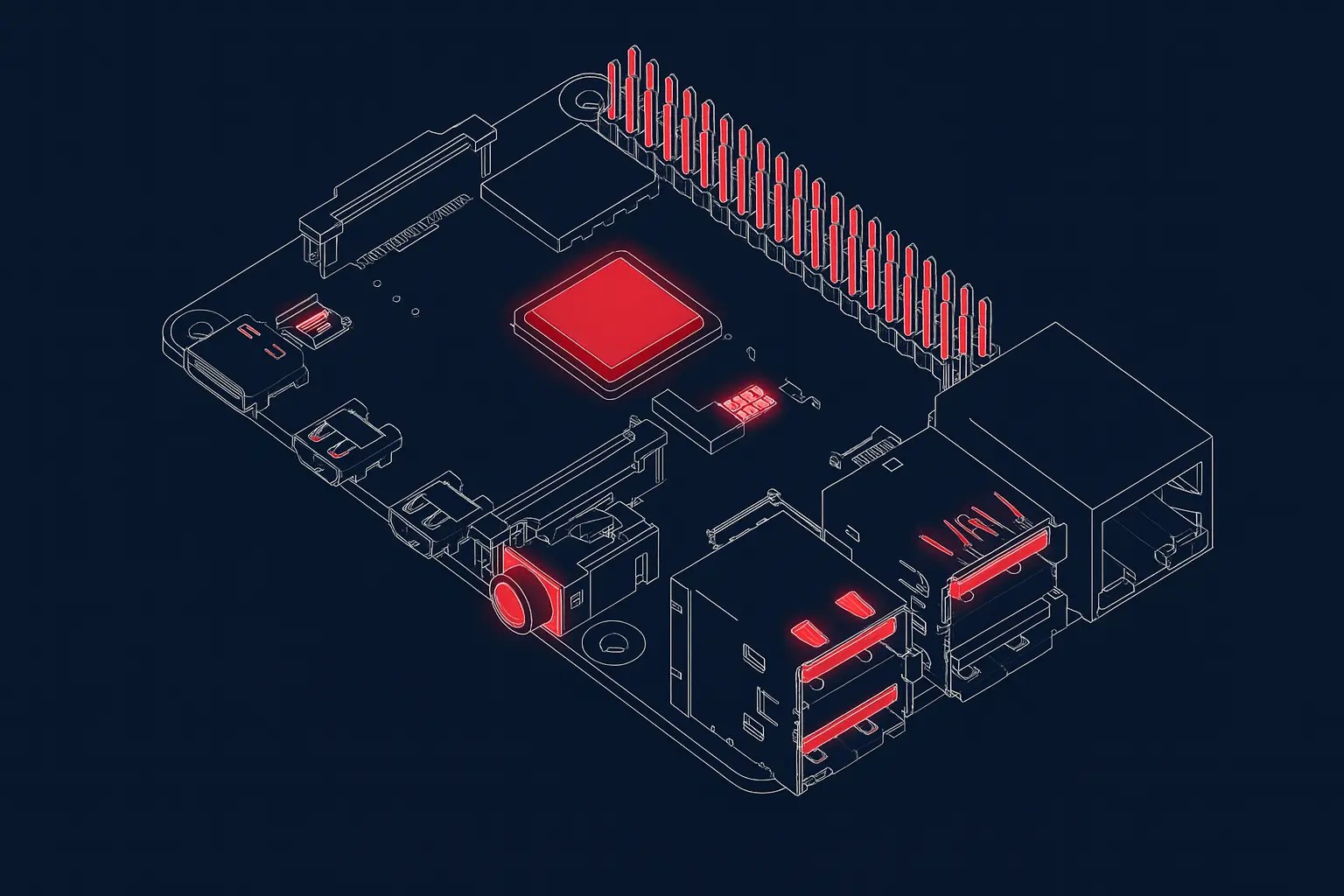
A Raspberry Pi setup with a solid device manager will change the way teams collaborate. A central system makes it possible to keep track of all devices, instead of having to perform this manually. The devices can be upgraded managed, configured, and monitored without physical access.
This reduces the pressure on teams, and creates an environment that is more stable where there is less left to chance.
Remote Access is a Wonderful Opportunity to Have Freedom
The ability to remotely connect to Raspberry pi is among the most significant developments in managing devices in the current time. This feature eliminates the need to physically be present, which can save hours of time, especially when devices are distributed across various places.
Remote access allows teams to resolve issues quickly, install updates and change configurations quickly and without delay. Once, the need for the use of a vehicle or on-site assistance can now be managed from an integrated dashboard.
This level of control brings a sense of flexibility that is necessary for growing systems.
Watching Everything Happen as It Happens
Knowing that devices are in operation isn’t enough. It’s only when you know how devices are operating in real-time that the system can be solidly reliable.
With the ability to monitor and control Raspberry Pi and IOT device management, teams can track performance, identify unusual behavior, and respond before small issues turn into major disruptions. This visibility permits a proactive approach instead of a reactive strategy.
The systems become simpler to control and reliable when they are constantly monitored.
Tools to Reducing Complexity
As the device networks continue to grow, the complexity of their networks increases. Without the proper tools, updating, configuring, and managing performance can be overwhelming.
Modern Raspberry Pi device management tools are specifically designed to streamline the process. They automatize routine tasks, provide clear insights, and ensure that devices are aligned with operational goals.
Instead of spending time on tedious tasks, teams should focus on improving their techniques and expanding capabilities.
Systems that grow with You
One of the most important aspects of managing devices is scaling. A system that functions for ten devices ought to be able to work with hundreds, or thousands.
AWS device management Raspberry Pi allows businesses to create systems that can grow without sacrificing their structure. Each device will be part of a well-organized, larger network instead of introducing the complexity. This allows the development to appear in a controlled manner, rather than chaotic.
Keeping stability as systems expand
Growth can introduce new risks. With the addition of more devices, the risk of failure grows.
Having the ability to monitor and control Raspberry Pi and IOT device management makes sure that systems remain stable, even as they expand. Problems can be detected early and fixes are easily made, and performance ensured throughout the network. Businesses can count on their systems because of this stability.
The Smarter Method to Manage Your Devices
The management of devices does not have to be a burden. If the right structure is in place large deployments can be effectively managed.
Connecting to Raspberry Pi remotely, make use of sophisticated Raspberry Pi device management tools and depend on platforms like AWS IOT device management Raspberry Pi can transform the way companies manage. What used to be a challenge is now easily manageable, and what required constant attention now becomes simple.
ScalerPi is a business that helps companies transition smoothly from scattered systems to scalable and organized ones.
A solid and clear management strategy is crucial to long-term business success.