The services people associate with banking include recoverable login credentials, customer assistance, and procedures for disputing transactions they did not authorize. Digital assets do not necessarily operate according to the same expectations. The loss of access to a self-custody wallet can have permanent consequences for access to its assets. Sending funds to an incorrect address may leave no realistic means to recover them.
Cryptocurrency prices tend to attract more attention than these distinctions. Yet they are among the most important things a newcomer needs to understand.
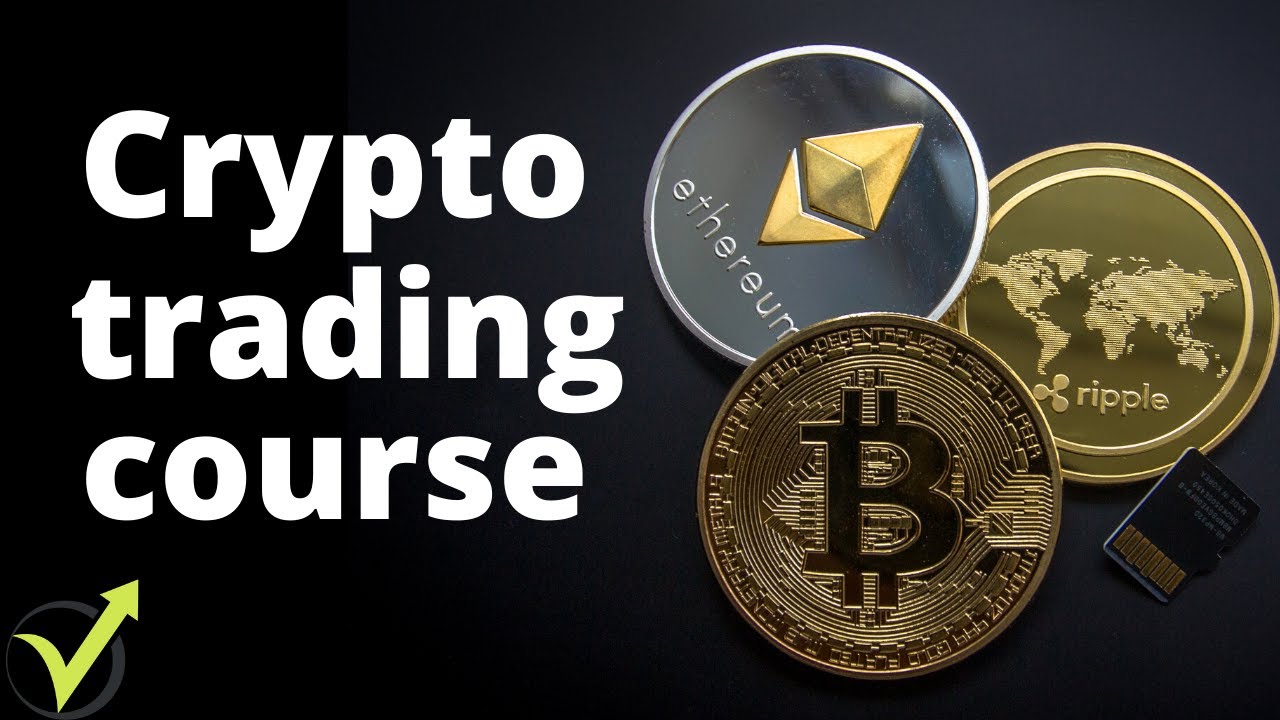
The starting point for digital asset education should be understanding personal responsibility, not profitability.
Why Transactions Come Before Market Charts
Those beginning to learn cryptocurrency can start by studying the process behind transfers between addresses.
Across a computer network, a blockchain maintains a shared transaction history. The network’s design determines the rules participants use to validate transactions and reach agreement on the record’s state. It is misleading to think of a cryptocurrency wallet as a container that physically holds coins. The wallet handles cryptographic keys, enabling users to authorize activity involving their blockchain assets.
Understanding these blockchain fundamentals makes unfamiliar concepts considerably easier to navigate. Studying the system as a whole helps explain the connections between fees, confirmations, public addresses, and private keys. This understanding also reveals the importance of keeping wallet credentials secure.
What It Means to Control Digital Assets
Purchasing cryptocurrency through an exchange does not necessarily give someone direct access to the private keys associated with those assets. The provider usually manages the keys when users choose a custodial service. Choosing self-custody means managing that responsibility personally. Neither arrangement eliminates risk; it changes where the responsibility sits.
Custodial arrangements involve dependence on a third party. Managing assets through self-custody involves careful attention to recovery information, secure devices, and transaction authorization. Even a secure wallet may be undermined if someone compromises its recovery phrase.
A clear understanding of these trade-offs is valuable before entering the world of decentralized finance, commonly called DeFi.
DeFi applications use smart contracts to facilitate activities such as lending, borrowing, and exchanging digital assets. Users may encounter software flaws, liquidity issues, malicious interfaces, or unanticipated changes in collateral value.
Layer-2 networks introduce another dimension by processing activity outside a blockchain’s main execution layer while relying on it to varying degrees for settlement or security. The fees, withdrawal procedures, and security assumptions are not uniform across implementations.
Study Market Mechanics Before Price Predictions
The value of a crypto trading course lies in explaining market mechanics, not in promising returns. Studying market and limit orders helps explain potential differences between the initially shown price and the actual transaction price. The way a trade executes depends in part on liquidity, volume, bid-ask spreads, and price slippage.
Similarly, an informative bitcoin trading guide should address volatility, exchange fees, and the dangers associated with leverage. Past price behavior is not a reliable way to determine what prices will do next.
This practical approach to cryptocurrency education is reflected in The Coin Course. The platform provides free, independent educational materials ranging from step-by-step tutorials to structured courses with quizzes and daily cryptocurrency news. The platform emphasizes understanding technology, recognizing scams, and identifying risks rather than endorsing specific assets.
A More Useful Test of Knowledge
Recognizing numerous tokens is less revealing than being able to explain the consequences of one’s actions.
Are they able to explain the difference between a public address and a private key? Are they aware of what a decentralized application is asking them to authorize? Could they explain why guaranteed returns promised in an unsolicited message are grounds for caution?
Answers to these questions provide a better indication of practical crypto literacy than familiarity with trading terminology alone. As the digital asset ecosystem develops, people will continue to encounter unfamiliar products, networks, and financial mechanisms. A strong educational foundation allows people to examine those developments critically rather than relying on promotional claims or social media enthusiasm.
Knowing what a technology does, where its limitations lie, and which responsibilities accompany its use is a meaningful achievement in itself.