Imagine two public restrooms. Imagine two restrooms in public. One is a trailhead in a rural location surrounded by wide open spaces.
They both provide the exact same essential service. But when you design them as identical designs, they would not operate in the identical way.
Good public restroom facilities begin at the site. Who will use the facility? How many people are able to arrive simultaneously? What is the service offered? How far will visitors have to be able to walk? What architectural style is surrounded by the structure?
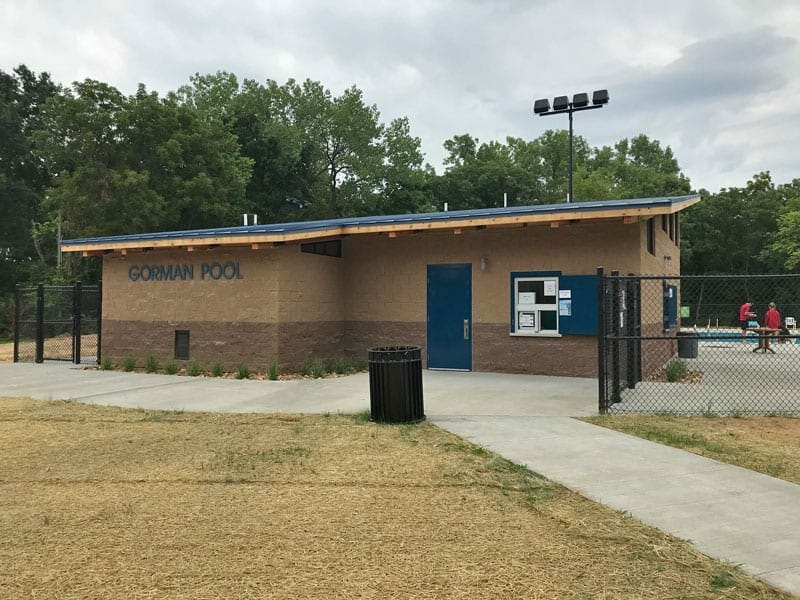
Image credit: romtec.com
These answers will impact the majority of choices that follow.
You can start by studying how users navigate the site
The location of toilets should not be thought of separately from the rest and style of a park. People can arrive in large numbers to an sports venue to see sporting events or games. The location of restrooms close to a playground should be suitable for families, but also secure and accessible to pedestrians. In a downtown setting, sidewalk restrooms may have to work within a tighter footprint and complement nearby streetscape features.
The structure itself isn’t the entire experience. Access points, routes, activities accessibility, and the surrounding environment all influence how the location of the building works as intended.
Remote sites can cause a new Issue
The project should now be moved away from streets that are paved and utilities infrastructure. The conventional sewer service may not be accessible at a scenic viewpoint or in a remote recreation area trails, campgrounds, trailheads or in other locations. If the situation is right, vault toilets provide an alternative that allows toilet facilities to be used in areas where traditional plumbing infrastructure may be impossible or unpractical.
The conversation shifts around design. Teams working on projects do not need to select a building before evaluating the site and determining the best restroom solution. best.
Capacity should reflect real use
A quiet park in the neighborhood and an athletic facility in the region don’t have the same crowd patterns. Demand during peak times is essential. It’s not enough to have your facility in good shape on an afternoon on a Tuesday.
Planning around actual use helps owners to think about bathroom dimensions layout, layout, fixtures access for maintenance, and other operational requirements prior to construction begins.
The flexibility of park restrooms that are prefabricated can be extremely beneficial to companies who are looking at the structures. Instead of requiring the site to comply with a specific model, the construction can be customized around the needs of the project.
The Architecture Conversation is Still Relevant to Us
The function doesn’t mean that appearance must be overlooked. The restroom is an important component of the public landscape. Forms of roofs, sidings, colours, masonry, fixtures and other architectural features may help in connecting it to adjacent pavilions, concession structures as well as natural surroundings. a well-established design theme for the community.
Romtec’s customized approach permits project teams to use a variety of types of materials, colors, forms and exterior styles instead of having to adhere to the same appearance.
Design for Place, not Only for Purpose
Romtec partners with park owners and contractors to supply and install bathrooms and other public facilities. Its expertise extends to documenting the construction process and code requirements, ADA considerations as well as engineering, component selection and construction across the United States.
The important starting point, but it’s surprisingly simple. Start by deciding what type of bathroom you’d like build. Be aware of the surrounding, the people, and the activities that are already in place. Make sure the building you design fits into.