On paper, the process may appear simple: the water is then pumped to a different location. In actuality, the distance between these two points could be affected by differences in elevation as well as pressure requirements, solids, and other factors and storage capacity,, electrical equipment, site restrictions, as well as changes in the flow rate.
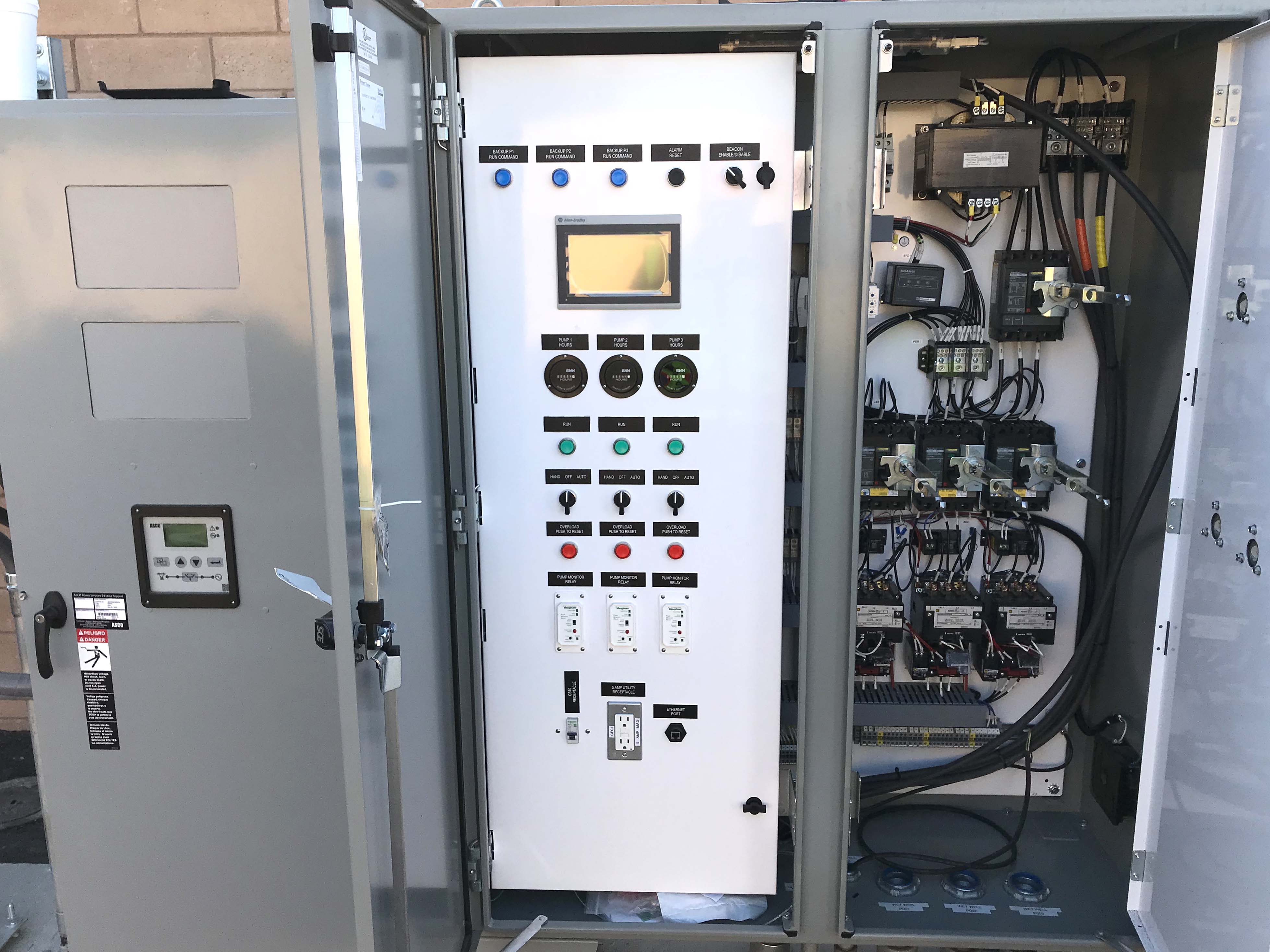
Image credit: romtecutilities.com
Romtec Utilities’ approach to creating a pump station is to first establish the operational conditions. This is done before selecting the equipment. The preliminary designs and budgetary data can then be developed around the requirements of the project.
Begin by asking the simple question: How are we doing?
The technology is updated immediately.
The flow of household sewage is subjected to significant variations throughout the day. The wastewater lift station is needed when gravity conveyance cannot or does not work. Engineers must therefore consider the anticipated inflow and the conditions of peak, pumping capacity, wet-well behaviour, discharge specifications, and the manner in which the equipment is maintained and operated.
Industrial water has its own challenges. The water used in a manufacturing or processing plant may require caustic or oily, or heated at high temperature or pressure. Romtec Utilities designs industrial systems to support a variety of applications, from food processing and power generation to data centers as well as pharmaceutical waste and oil and gas facilities.
Rainfall has a completely distinct Operating Cycle
Stormwater systems are usually inactive for extended periods but then suddenly they face an enormous volume of water during storms.
A stormwater lift station associated with a detention basin, for example, must work with the site’s larger drainage strategy. The water that flows through the detention basin. The temporary storage system manages the immediate volume and the pumping system transports the collected water to an approved discharge point.
Romtec Utilities offered this type of solution to an Norco, California business park. This project needed a pumping device to discharge a basin of detention into the public stormwater network. The station needed to be designed as a part of the drainage infrastructure used for the development, rather than as an independent piece of equipment.
The word “package” does not have to refer to off-the-shelf
It’s a common belief that a pumping mechanism for packages is simply a set of predetermined elements.
In the case of engineered infrastructure, packaging could mean that the entire system of components are coordinated into one system. Controls, pumps and meters along with structures and other equipment, are able to be picked in accordance with the requirements of the project.
This approach is particularly useful when a new system must connect to existing infrastructure. Industrial facilities and municipal facilities do not always provide ample space for installation, or even in good condition. Equipment may need to fit within existing structures, piping electric systems, as well as operational plans.
Capacity planning is a real issue
The cost of undersizing rises as the facility expands.
At Portland International Airport, Romtec Utilities designed and supplied the sewer interceptor station for the PDX Next expansion. The new station needed to be designed to accommodate double the capacity of peak flow because the airport has grown.
It demonstrates a key engineering principle: design conditions shouldn’t just be what a building handles on an ordinary afternoon. Engineers should also be aware of the impact of demand spikes.
The job isn’t finished when the equipment arrives
At time, drawings and calculations need to evolve into an operational system. Installation coordination with startup and testing, documentation and understanding are all vital for long-term performance.
The outcome after the creation of a pumping system determines its quality. The decisions made in the preliminary design are very evident as flows rise as major storms hit, or maintenance is required.
Romtec Utilities incorporates these options into a pumping system that is tailored to the project. This allows the transformation of individual equipment into a system designed to withstand the challenges they face.